
Bonded stock tracking in air cargo import: acceptance, putaway and release with handheld terminals and barcodes
How import cargo is tracked with handheld terminals and unique barcodes, from the pallet leaving the aircraft to delivery to the consignee, step by step in carGObis.
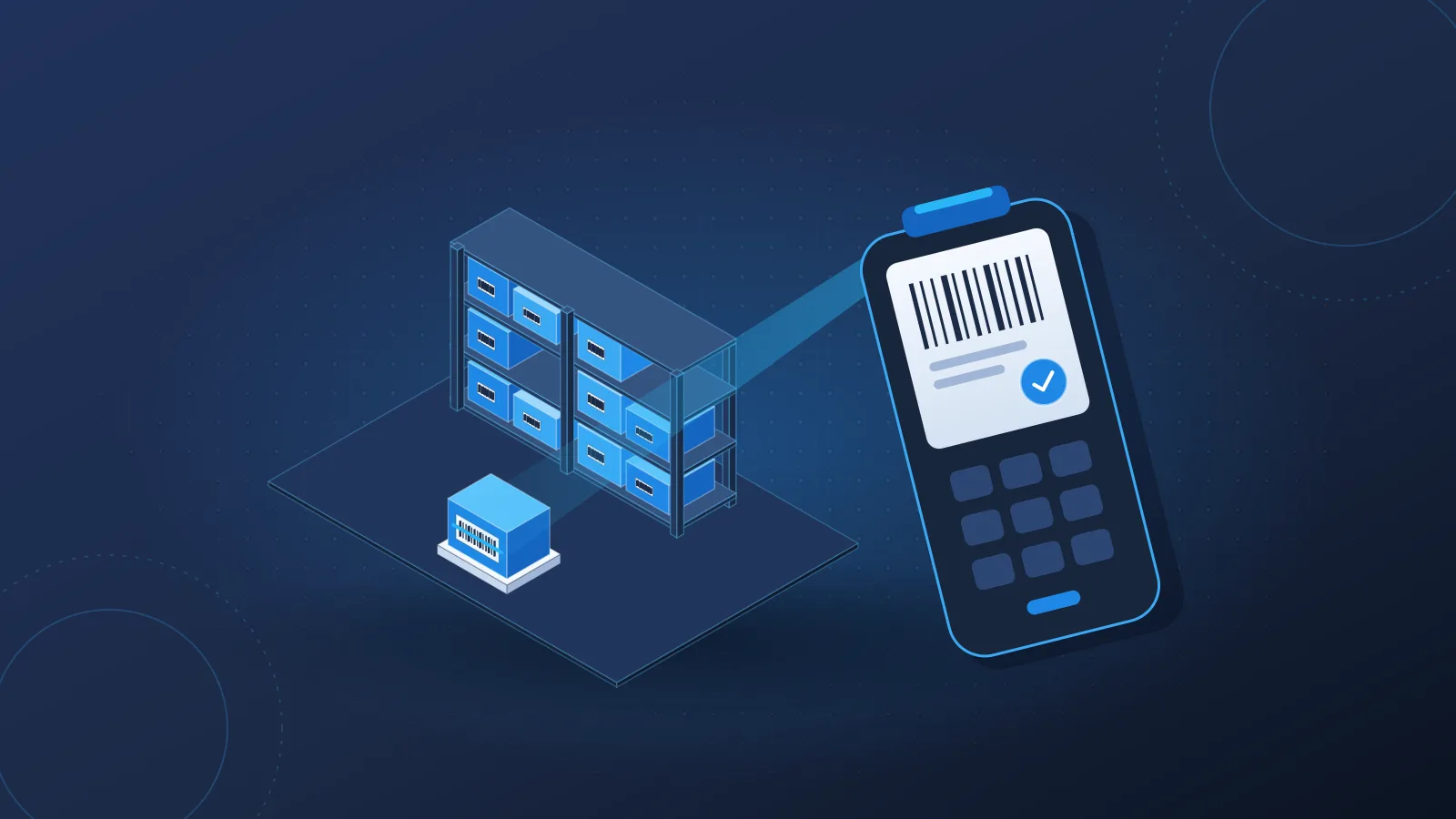
In bonded warehouse stock tracking, handheld terminals and barcodes record every cargo movement where and when it happens. Cargo is not placed on a rack, taken from a rack or released from the warehouse without being scanned, so the stock in the system stays identical to the load on the racks. In air cargo import, this makes every step traceable, from the pallet coming off the aircraft to delivery to the consignee.
Before the cargo arrives: the expected record
The import process starts before the aircraft lands. FWB and FHL messages from the airline are imported into the cargo management system automatically, so the warehouse sees the waybill details of incoming shipments in advance. Import numbers reported by the agent also flow into the warehouse list in the system through the website integration, and the arrival notice is linked to the delivery order. The import warehouse officer takes the warehouse list directly from the system.
Checking at the aircraft
The numbers of pallets and containers arriving from the aircraft are scanned with the handheld terminal. If a number matches the SITA message, the record is confirmed; if not, a warning is sent to the system with different options. For bulk cargo, the piece count is compared with the message. If it matches, it is confirmed; if there are overages, shortages, damage or off-manifest items, this is recorded and reported.
Breakdown with unique barcodes
Pallets and containers are broken down and the cargo is loaded onto euro pallets. A pre-printed unique barcode label is attached to each euro pallet and matched to the relevant cargo in the system. When more than one waybill is loaded on a euro pallet, unique barcodes are attached to each waybill separately. This separation prevents cargo belonging to different consignees from being mixed up in later steps.
When damage is found, staff select the "damaged" option on the handheld terminal, enter the number of damaged pieces and take a photo. If an AWB that is not registered in the system turns up, its first entry can also be made from the handheld terminal.
Rack putaway and blocked racks
Cargo is placed on racks with the handheld terminal, and its acceptance into the warehouse is completed by that scan. The information on which cargo sits on which rack therefore comes from the scan of the person doing the putaway. When cargo is taken from a rack for inspection or examination, the rack is blocked and no new cargo may be placed in it. This rule prevents the place of cargo under customs processing from being filled with another load.
Storage charges, invoicing and release
The storage officer enters the declaration details into the system. Additional services and overtime charges entered on the handheld terminal flow automatically to the storage screen; the invoice is created and a sticker is attached to it. HAWBs under one MAWB can be invoiced under a single invoice. The storage charge is collected against the delivery order, declaration and exit control slip; when the storage invoice is issued, a work order is sent to the release area.
At release, the cargo is removed from the system with the handheld terminal. For partial releases, release is done per rack; when the piece count on the invoice is reached, a DLV message is sent automatically, and if the counts do not match the system raises a warning. Release documents such as the AWB, delivery order, gate exit slip, power of attorney and declaration are archived in the system.
Reports
Because every movement is recorded by a scan, reports are produced directly from these records. For import, carGObis provides entry, exit, stock and count reports, the liquidation list, daily storage, delivery order and freight reports, and a performance report showing pallet breakdown times by airline, date and flight number. On the management side, capacity and occupancy and dwell time reports are available.
Summary
In air cargo import, accurate stock comes from recording every movement at source with handheld terminals and barcodes: checking against incoming messages at the aircraft, breakdown with unique barcodes, putaway by scan, blocked racks and count-controlled release. carGObis brings these steps together in one system. For container loads arriving by sea, BoranWise Port manages yard operations from the container's entry into the warehouse until the goods reach the consignee.